Lesser cornstalk borer
scouted Aug. 29, 2022
- Scientific Name
- Elasmopalpus lignosellus
- Background
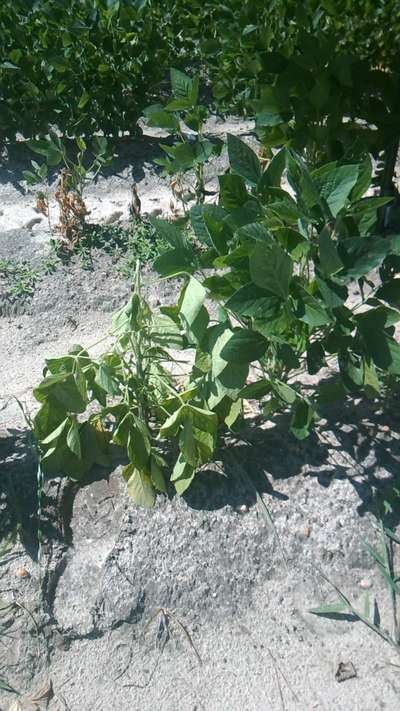
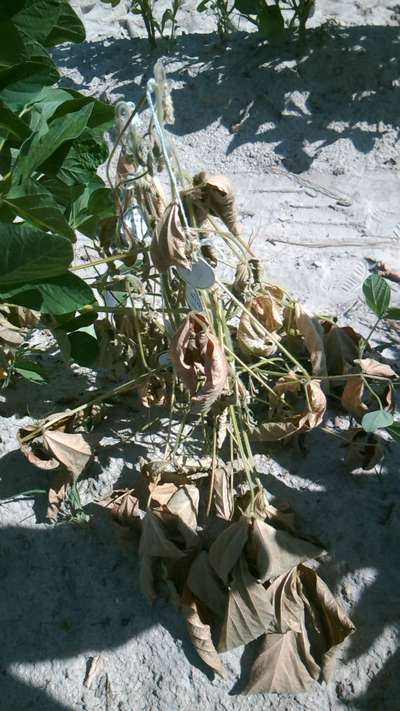
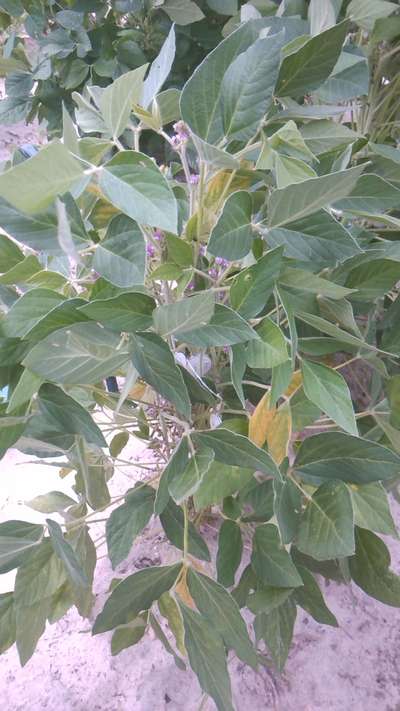
- Soybeans in Johnston county were scouted and it was observed that 25% of the field was affected by dieback, root rot, and wilting in random low areas of the field.
- Conclusion
- The issue was identified after the sample was analysed, and signs of Lesser cornstalk borer damage was found. The Lesser cornstalk borer favors laying its eggs in dry soils which favors survival of eggs and larvae. Larvae will feed at the base of soybean plants girdling the main stem and leading to plant death or lodging. There is no current economic threshold for the Lesser cornstalk borer due to remedial management being difficult. To manage this insect, planting soybean into burned stubble, droughty soils, or fields that have been burned down with a herbicide less than two week prior should be avoided. Cooler and wetter conditions will also favor the predators and diseases of the of the lesser cornstalk borer.
- Resources
-
- No resources have been added.