Banded-winged whitefly
scouted Aug. 29, 2022
- Scientific Name
- Trialeurodes abutiloneus
- Background
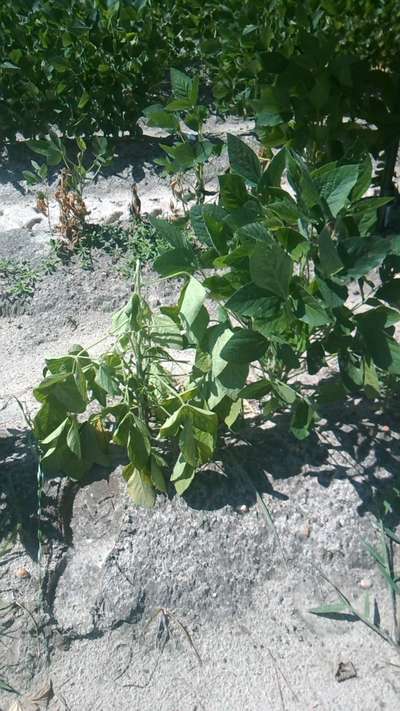
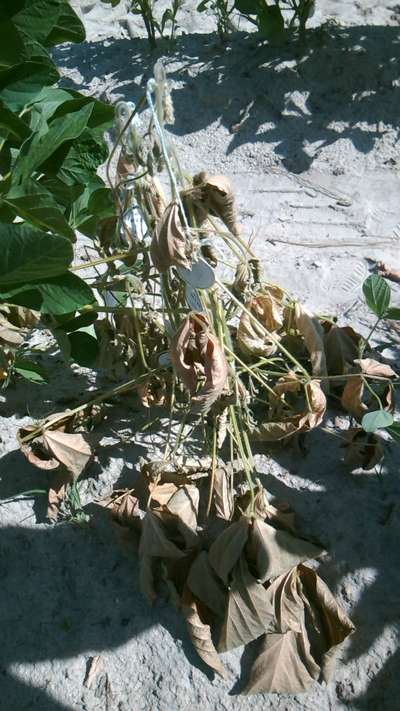
- Soybeans in Johnston county were scouted and it was observed that 25% of the field was affected by dieback, root rot, and wilting in random low areas of the field.
- Conclusion
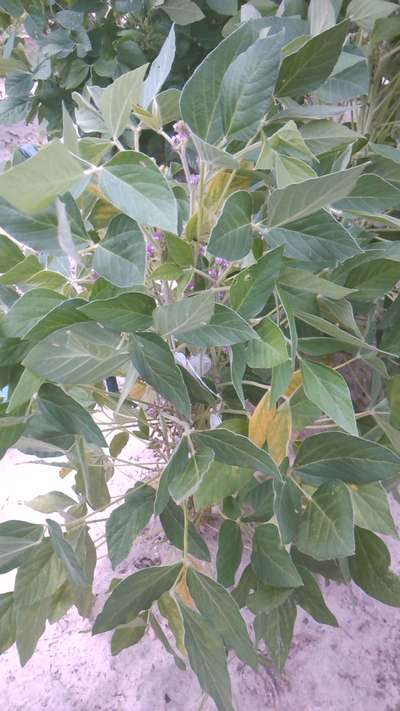
- The was identified after the sample was analysed as Banded winged whiteflies. The Banded winged whitefly feeds on soybeans as adults and as nymphs. They are sucking insects that feed on the underside of leaves causing yellowing and nutrient loss. Nymphs also produce honeydew as a result of their feeding which can cause sooty mold. Banded winged whiteflies produce several generations per year. As Banded winged whiteflies are not considered a serious soybean pest, there are no current economic thresholds for whiteflies. Insecticides can reduce whitefly levels, but are not recommended as they can also remove the natural predators of whiteflies that depress their populations.
- Resources
-
- No resources have been added.